Products I know
Cyanoacrylates: strong bonds in seconds, when used right.
Cyanoacrylates, or instant adhesives, cure in seconds by reacting with the thin layer of moisture on almost every surface. They are ideal for small, close-fitting parts in rubber, plastic and metal, and less suited to large gaps, heavy impact or high temperatures.
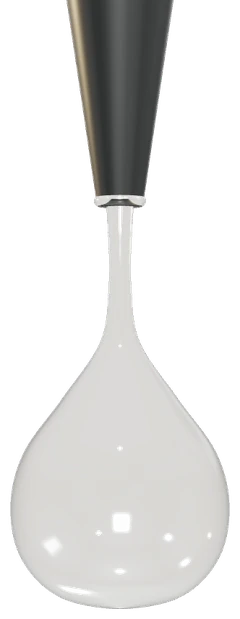
Where they work best
- Bonding rubber parts and splicing O-rings and rubber profiles.
- Small plastic and metal assemblies where speed matters more than gap filling.
- Tacking wires, sleeves and labels in electrical and electronic assembly.
- Quick repairs in maintenance.
Know the limits
- Gaps. Thin grades need close-fitting parts. Gel grades fill a little more, but large gaps need another adhesive.
- Impact and peel. Standard grades can be brittle. Rubber-toughened grades handle shock better.
- Heat and moisture. Standard grades are limited in temperature and long-term humidity resistance; special grades go further.
- Blooming. A white haze around the joint. Low-bloom grades and less adhesive usually fix it.
- Difficult plastics. Polyethylene, polypropylene and PTFE need a primer before they bond.
Choosing a grade
Start with the materials and the gap, then the environment the part will see in service. Viscosity matters on the line: thin grades wick into tight joints, thicker grades stay where they are put on vertical surfaces. For rubber, there are grades made for fast fixturing on difficult compounds such as EPDM.
How I help
Instant adhesives are bought by many different departments, from rubber moulding shops to electrical assembly lines, often through dealers. I help manufacturers find those buyers, and help dealers explain the grades well enough to win repeat orders. If a bond needs to carry real load, epoxy and structural adhesives may suit better.
Questions people ask
Why does cyanoacrylate leave a white residue?
That haze is called blooming or frosting. Vapour from the uncured adhesive settles around the joint. Using less adhesive, better ventilation or a low-bloom grade usually prevents it.
Can cyanoacrylates bond polypropylene or polyethylene?
Not on their own. These low-energy plastics need a polyolefin primer first. With the primer, instant adhesives can bond them well.
Are instant adhesives strong enough for structural joints?
For small, close-fitting parts, yes. For large or load-bearing joints, or joints exposed to impact, heat or moisture, an epoxy or structural adhesive is usually the safer choice.